

Out-There HealthTech
Connect, Collaborate and Grow
Greater Manchester NHS Trusts
Greater Manchester is served by NHS Greater Manchester, the Integrated Care Board (ICB) responsible for health services across the region’s ten boroughs and cities. The ICB sits within the Greater Manchester Integrated Care Partnership (GM ICP), established in July 2022, which brings together NHS organisations, local authorities, and other partners to coordinate health and social care for a population of approximately 2.8 million people.
The following NHS trusts operate within or primarily serve the Greater Manchester area.
Bolton NHS Foundation Trust
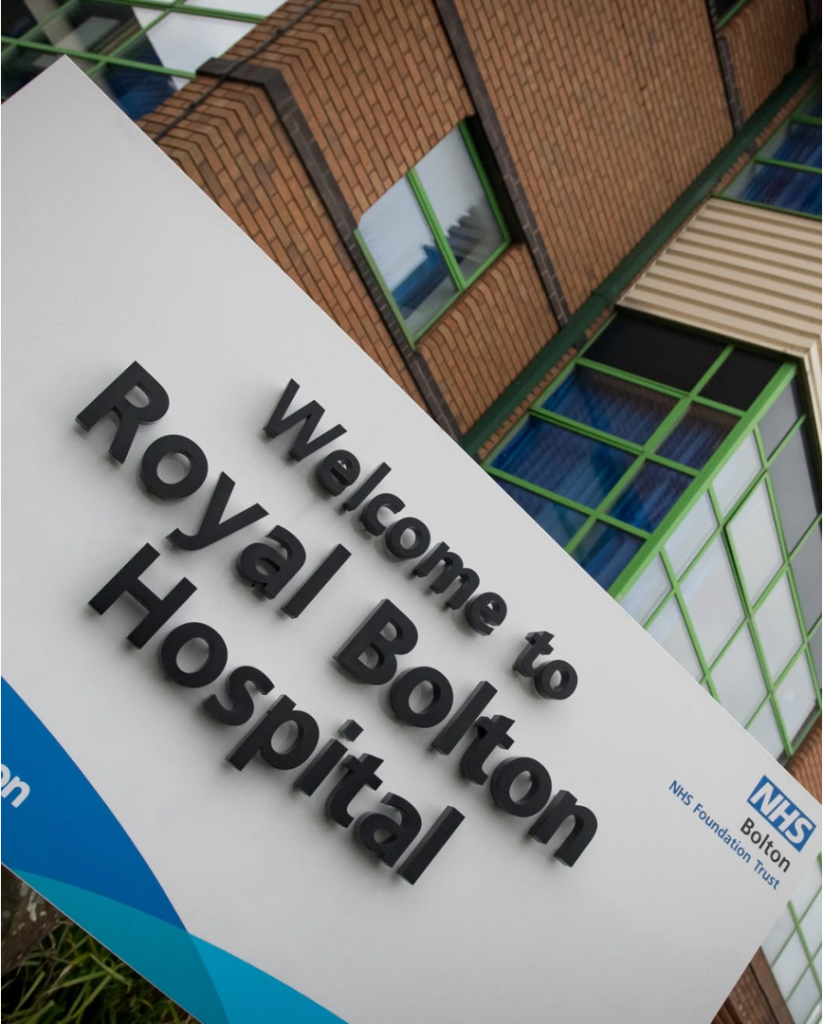
Bolton NHS Foundation Trust is one of the North West's busiest acute and community NHS foundation trusts, serving people across Bolton, other parts of Greater Manchester and surrounding areas. With around 6,300 substantive staff working across 20 sites, the trust provides hospital and community health services to the population of Bolton (approximately 275,000) and is the second busiest ambulance-receiving site in Greater Manchester.
Royal Bolton Hospital A busy district general hospital providing comprehensive medical, surgical, maternity, paediatric and emergency services. Royal Bolton Hospital is a major hub in Greater Manchester for women's and children's services, including a level 3 neonatal intensive care unit. The hospital treats over 90,000 inpatients and receives around 115,000 A&E attendances annually.
The hospital is also home to the University of Greater Manchester's Institute of Medical Sciences (BIMS), a £40 million purpose-built facility that houses state-of-the-art medical education facilities including a 4D room and two high-fidelity simulation suites. The medical school welcomed its first cohort in September 2025 and represents a significant addition to the regional medical education landscape.
Innovation & Research
Bolton NHS Foundation Trust has established itself as a digital pioneer in Greater Manchester healthcare. The trust published a comprehensive digital strategy for 2022-2025 with ambitions to become a fully digital trust, focusing on digital integration, care delivery, workforce development and infrastructure. Key initiatives include implementing an Innovation Hub to collaborate with partners for co-development and research, developing virtual consultation capabilities, and integrating with the Greater Manchester Care Record.
The trust has demonstrated innovation leadership through several award-winning projects. In 2021, clinicians developed an electronic acute medical list solution that reduced patient waiting times by 34%, contributing to projected annual savings exceeding £3 million. The trust was shortlisted for HSJ Awards for Acute Sector Innovation of the Year in 2020 and won a Nursing Times Award for their innovative ChatHealth text messaging service.
Bolton NHS has also been recognised with three nominations in the Health Tech Newspaper Tech Awards 2020 and was shortlisted for the HTN Health Tech Awards 2025 for 'best use of digital for improving care pathways' following their work to digitise district nurse referrals. The trust's strategy includes plans to introduce artificial intelligence and increase access to research trials.
Relevance for HealthTech
Bolton NHS Foundation Trust offers significant opportunities for healthtech companies, particularly those focused on digital health solutions, medical education technology, and acute care innovations. The trust's established digital strategy, Innovation Hub, and track record of implementing and developing digital solutions demonstrate a strong appetite for technology adoption.
The new £40 million University of Greater Manchester Medical School facility creates opportunities for medical education technology partnerships and simulation-based learning solutions. The trust's focus on women's and children's services, combined with its high patient volumes (90,000+ inpatients annually), provides a substantial testing ground for relevant healthtech innovations.
The trust's emphasis on artificial intelligence implementation, virtual consultations, and digital integration with the Greater Manchester Care Record positions it as an ideal partner for healthtech companies developing solutions for integrated care systems. Their proven ability to develop in-house digital solutions also suggests openness to co-development partnerships. Website: www.boltonft.nhs.uk Address: Minerva Road, Farnworth, Bolton, BL4 0JR
Greater Manchester Mental Health NHS Foundation Trust
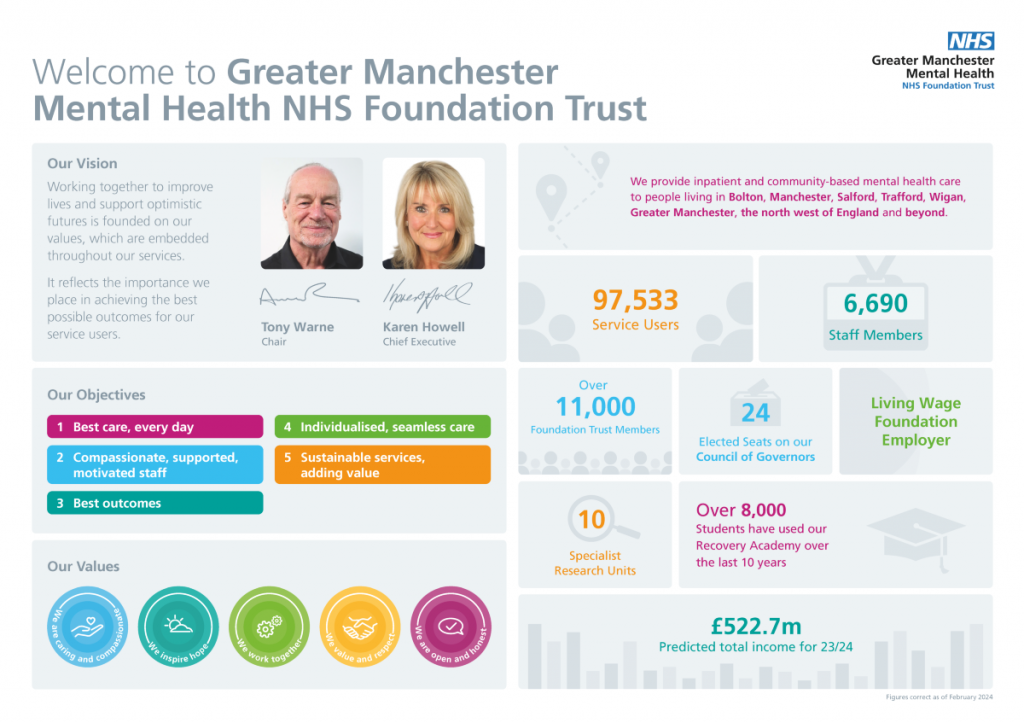
Greater Manchester Mental Health NHS Foundation Trust (GMMH) is one of the largest specialist mental health providers in England, delivering comprehensive inpatient and community mental health services across five Greater Manchester boroughs: Bolton, Manchester, Salford, Trafford and Wigan. With over 7,000 staff operating from 109 locations and an annual income of £510.2 million, the trust serves approximately 97,000 service users each year.
Service Portfolio
GMMH provides the full spectrum of mental health services including community mental health teams, crisis care services, early intervention for psychosis, forensic mental health services, and specialist inpatient facilities. The trust operates comprehensive child and adolescent mental health services (CAMHS), specialist perinatal mental health services including mother and baby units, and extensive addiction services through facilities like the Chapman Barker Unit.
Notable specialist services include deaf mental health services through the John Denmark Unit, health and justice services across multiple custodial settings, extensive talking therapies programmes, and memory and dementia services. The trust also operates the Greater Manchester Universities Student Mental Health Service and provides comprehensive older adult mental health services.
Research & Innovation
GMMH has established itself as a leading research institution in mental health and dementia. The trust recently secured over £100,000 in NIHR funding for England's first mobile research van to improve community access to mental health research. Professor Sandra Bucci was appointed as an NIHR Senior Investigator in 2026, highlighting the trust's research excellence.The trust operates active research programmes including the CardioActive study for children and young people with heart conditions and maintains strategic partnerships with academic institutions. Their research portfolio encompasses digital mental health interventions, community mental health transformation, and dementia research with particular focus on diverse communities.
The trust has developed an Active Studies Finder platform and maintains dedicated research units, demonstrating a strong commitment to evidence-based practice and innovation in mental health care.
Relevance for HealthTech
Greater Manchester Mental Health NHS Foundation Trust represents exceptional opportunities for healthtech companies across the mental health spectrum. As one of England's largest specialist mental health providers with 97,000 annual service users, the trust offers unparalleled scale for digital mental health interventions, remote monitoring solutions, crisis response technologies, and integrated care platforms.
The trust's active Research & Innovation programme, including their £100,000+ NIHR-funded mobile research van and NIHR Senior Investigator appointments, demonstrates strong commitment to innovation adoption and evidence generation. Their comprehensive specialist services - from forensic mental health and addiction treatment to perinatal care and dementia services - create opportunities for condition-specific healthtech solutions.
GMMH's involvement in multiple Integrated Care Systems and emphasis on community-first approaches makes them ideal partners for population health technologies, digital therapeutics, and care coordination platforms. The trust's experience with health and justice services, university student mental health, and diverse community programmes offers unique testing grounds for specialised digital interventions.
The trust maintains partnerships with academic institutions and operates active clinical trials, providing pathways for research collaboration and technology validation. Their transformation programmes and integrated care partnerships position them as early adopters of innovative healthcare delivery models.Website: www.gmmh.nhs.uk

Manchester University NHS Foundation Trust
Manchester University NHS Foundation Trust (MFT) is one of the largest NHS Trusts in the UK, with over 28,000 staff and a 2021–22 income of around £2.2 billion. The Trust was formed on 1 October 2017 by the merger of Central Manchester University Hospitals NHS Foundation Trust (CMFT) and University Hospital of South Manchester NHS Foundation Trust (UHSM). North Manchester General Hospital joined in April 2020 under a management agreement, with full transfer completed in April 2021, creating the Single Hospital Service for Manchester. The Trust is led by CEO Mark Cubbon (since November 2022) and Chair Kathy Cowell, and is delivering the "Where Excellence Meets Compassion" strategy (2024–2029).
Hospitals. MFT operates ten hospitals across six sites: Manchester Royal Infirmary, Wythenshawe Hospital, North Manchester General Hospital, Royal Manchester Children's Hospital, Saint Mary's Hospital, Manchester Royal Eye Hospital, University Dental Hospital of Manchester, Trafford General Hospital, Altrincham Hospital, and Withington Community Hospital. Community services are delivered through Manchester Local Care Organisation (MLCO) and Trafford Local Care Organisation (TLCO), with over 3,000 MFT community staff embedded in the LCOs.
Specialist services. MFT is the lead provider for a significant number of specialised services, including Breast Care, Vascular, Cardiac, Respiratory, Urology Cancer, Paediatrics, Women's Services, Ophthalmology, and Genomic Medicine. Wythenshawe Hospital is a major UK centre for cardiothoracic surgery, heart and lung transplantation, respiratory medicine, burns, and plastic surgery. Research & innovation. MFT is one of the most research-active NHS Trusts in the UK, with over 600 R&I staff. Key infrastructure includes the NIHR Manchester Biomedical Research Centre (BRC), the NIHR Healthcare Research Centre in Emergency and Acute Care, and the flagship MFT Clinical Data Science Unit (CDSU) — a partnership with the University of Manchester focused on health informatics, AI/machine learning, virtual reality, and clinical imaging data science. MFT is closely integrated with the University of Manchester through the Manchester Academic Health Science Centre (MAHSC) — one of only five AHSCs in England — and with the wider Greater Manchester innovation ecosystem through Health Innovation Manchester. The Trust is a partner in Citylabs (with Bruntwood SciTech) on its Oxford Road campus, providing co-located commercial life sciences and medtech space adjacent to the hospital. MFT also runs a 15-year, £125m strategic partnership with Siemens Healthineers (from January 2021), covering more than 350 radiology installations across eight hospital sites — one of the largest medtech-NHS partnerships in the UK.
Relevance for healthtech, medtech and life sciences. MFT is arguably the strongest NHS partner in the North West for healthtech, medtech and life sciences companies. Particularly relevant areas include: clinical AI and data science (CDSU); medical imaging and radiology (Siemens Healthineers partnership); genomic medicine; specialist children's, women's, eye and dental health technology; cardiac, respiratory, transplant and burns innovation (Wythenshawe); and emergency-care innovation (NIHR HRC). Its co-location with Citylabs on the Oxford Road campus offers a genuine commercial-clinical proximity rarely matched in UK NHS settings.

North West Ambulance Service NHS Trust
Services
NWAS operates 999 emergency response, the NHS 111 urgent care telephone service, patient transport services, and the regional Hazardous Area Response Team (HART). The trust handles over 1 million 999 calls and over 1.8 million 111 calls per year across the region.Relevance for HealthTech
NWAS is relevant for healthtech companies working in pre-hospital care, clinical decision support, triage technologies, ambulance fleet management, remote patient assessment, and digital communication systems for emergency services.- Website: nwas.nhs.uk
- Coverage: All of Greater Manchester (and the wider North West region)

Northern Care Alliance NHS Foundation Trust
Northern Care Alliance NHS Foundation Trust (NCA) is one of the largest NHS providers in the country, with around 20,000 staff serving over 1 million people across Salford, Oldham, Bury and Rochdale, plus regional and national specialist referrals. The NCA was originally formed as a multi-site group partnership on 1 April 2017 between Salford Royal NHS Foundation Trust and The Pennine Acute Hospitals NHS Trust, having worked together as a group since 2016. The two trusts were formally established as a single NHS Foundation Trust on 1 October 2021.
Hospitals. The NCA operates four main hospitals across Care Organisations in each borough: Salford Royal Hospital (Salford), The Royal Oldham Hospital (Oldham), Fairfield General Hospital (Bury), and Rochdale Infirmary (Rochdale), alongside extensive community services in each locality.
Specialist services. Salford Royal is a nationally recognised centre of excellence and the primary Major Trauma Centre for Greater Manchester (catchment of approximately 3.2 million; over 1,000 major trauma patients per year). It hosts the Manchester Centre for Clinical Neurosciences (MCCN) — one of the busiest neuroscience units in the UK — the Geoffrey Jefferson Brain Research Centre (run jointly with the University of Manchester), tertiary renal services, and is the national referral centre for intestinal failure. Salford Royal also hosts a stereotactic radiosurgery facility ("The Christie at Salford") delivering specialist cancer treatment in partnership with The Christie.
Research & innovation. The NCA is one of the most research-active NHS Trusts in the UK, with a Research and Innovation Department recognised nationally and internationally. The Trust recruits approximately 10,000–14,000 patients annually across 450–650 active studies. It is the home of the landmark Salford Lung Study — the world's first pragmatic randomised controlled trial in primary care, run at Salford Royal in partnership with GSK across COPD (c. 2,800 patients) and Asthma arms — and the Salford Integrated Record, one of the UK NHS's earliest linked GP-hospital electronic care records (established 2001). The predecessor Salford Royal NHS Foundation Trust was the first NHS Trust to achieve a CQC "Outstanding" rating across the board, and the NCA continues to build on that quality and innovation legacy. The Trust is an active partner in Health Innovation Manchester, the Greater Manchester Integrated Care System, and the Manchester Academic Health Science Centre (MAHSC).
Relevance for healthtech, medtech and life sciences. The NCA is a particularly strong NHS partner for companies working in: neurosciences and brain-research medtech (MCCN and Geoffrey Jefferson Brain Research Centre); major trauma and acute-care innovation; renal and intestinal-failure technology and devices; respiratory pharmaceuticals and real-world evidence (Salford Lung Study legacy); digital health and linked-record platforms (Salford Integrated Record); and stereotactic / radiosurgery oncology technology.
Pennine Care NHS Foundation Trust
Pennine Care NHS Foundation Trust was formed in 2002 and is one of the UK's leading specialist providers of mental health, learning disability and autism services. The Trust delivers care to a population of approximately 1.3 million people across five Greater Manchester boroughs — Bury, Oldham, Rochdale, Stockport and Tameside — plus Glossop in Derbyshire. Around 4,700 staff deliver around 150 services from 88 locations.
Services. Pennine Care provides adult mental health services, child and adolescent mental health services (CAMHS), older people's mental health, complex emotional and relational needs services, psychiatric intensive care, rehabilitation services, NHS Talking Therapies, drug and alcohol services, learning disability services (for adults and children), and autism services. Distinctive services include the Greater Manchester Resilience Hub (established 2017 in response to the Manchester Arena attack, providing coordinated mental health support to children, young people and adults affected) and the Trust's Military Veterans' Mental Health Service, delivered across the whole of Greater Manchester in partnership with other regional trusts.
Note on community physical health services. Pennine Care historically also provided community physical health services, but most of these transferred to the Northern Care Alliance in 2019, with Trafford-based services moving to MFT. Pennine Care is now a specialist mental-health-focused trust.
Research & innovation. The Trust runs a dedicated Research and Innovation function, including the Young People's Mental Health Research Centre (focused on improving outcomes for children and young people experiencing mental ill health) and the OptiMed Research Unit (focused on optimising outcomes with medicines). The Trust is an active partner in Health Innovation Manchester and the Greater Manchester Integrated Care System. Relevance for healthtech, medtech and life sciences. Pennine Care is a strong NHS partner for companies developing: digital mental health interventions for children and young people; adult mental health digital tools and remote monitoring; talking-therapies platforms and CBT-based digital therapeutics; learning disability and autism support technologies; drug and alcohol service innovations; medication-adherence and pharmacology-related healthtech (via OptiMed); and trauma-informed digital services (via the Greater Manchester Resilience Hub).
- Website: penninecare.nhs.uk
- Boroughs served: Bury, Rochdale, Oldham, Stockport, Tameside & Glossop
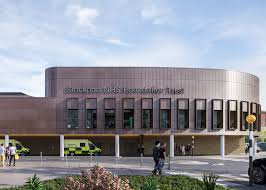

Stockport NHS Foundation Trust
Stockport NHS Foundation Trust is an integrated provider of acute hospital and community health services. The Trust runs Stepping Hill Hospital (Poplar Grove, Stockport, SK2 7JE) plus community health services across Stockport, with extended community provision into High Peak, Tameside & Glossop and parts of East Cheshire — reaching a total population of around 600,000. Stockport was one of the first ten NHS Foundation Trusts in the UK (2004) and employs over 5,000 staff with an annual budget of around £300 million.
Stepping Hill Hospital. A large district general hospital providing a comprehensive range of acute services including emergency care, general surgery, medicine, maternity, paediatrics, and diagnostics. Stepping Hill is one of only four designated emergency surgery hub centres in Greater Manchester, covering the South East sector of the region for emergency and high-risk general surgery. The Trust's stroke services have been officially ranked as the best in England (Trust's own framing), and its urology, orthopaedic and cancer services are highly rated nationally. A £20m medical and surgical centre opened in 2016 (120 beds, 18 operating theatres), and a £30.6m capital allocation has been made for a new Emergency Care Campus at Stepping Hill.
Community services. The Trust provides community healthcare services across the Stockport borough and beyond, including district nursing, health visiting, therapies, intermediate care, and a Hospital at Home programme using remote monitoring technology to deliver care in patients' homes.
Innovation & research. Stockport has a strong track record of "firsts": the first NHS trust in the UK to achieve Clinical Pathology Accreditation for point-of-care testing (2011); the first to receive international ISO accreditation for emergency planning (2013); and the location of the UK's first prostate cancer operation using a hand-held robot (2012). The Trust has also been named as a recipient site for AI-based lung cancer diagnostic technology. Stockport is a partner in Health Innovation Manchester and the Greater Manchester Integrated Care System, and is a member of the Stockport Together integrated-care alliance with Stockport Council and Pennine Care NHS Foundation Trust.
Relevance for healthtech, medtech and life sciences. Stockport is a strong NHS partner for companies developing: emergency surgery and high-risk surgical innovation; surgical robotics (with established robotic-surgery track record); point-of-care diagnostics; AI-based diagnostic imaging (particularly lung cancer); stroke care technologies; remote monitoring and virtual ward / Hospital at Home solutions; and integrated-care platforms spanning hospital and community settings.
- Main hospital: Stepping Hill Hospital
- Boroughs served: Stockport (and parts of East Cheshire, High Peak)
- Website: stockport.nhs.uk

Tameside and Glossop Integrated Care NHS Foundation Trust
Tameside and Glossop Integrated Care NHS Foundation Trust serves a population of over 250,000 people across the Tameside Metropolitan Borough (Greater Manchester) and Glossop in the High Peak (Derbyshire). The Trust employs approximately 3,800 staff and operates from Tameside General Hospital (Fountain Street, Ashton-under-Lyne, OL6 9RW). Glossop is geographically in Derbyshire but has long been served clinically from Tameside, due to its position west of the Pennines, and is part of the Greater Manchester health and care system. The Trust achieved Foundation Trust status on 1 February 2008 and changed its name from Tameside Hospital NHS Foundation Trust in September 2016 to reflect its integrated care role.
Tameside General Hospital. Provides a comprehensive range of acute services including emergency care, elective and emergency surgery, general medicine, full consultant-led obstetric and paediatric services for women, children and babies, and diagnostics. The Trust currently holds a CQC "Good" rating.
Integrated care model — "Care Together". Tameside and Glossop is recognised as one of the first NHS organisations in the country to develop and implement an integrated care model. The "Care Together" partnership — launched in 2015 — brings together the Trust, the former Tameside and Glossop Clinical Commissioning Group, Tameside Metropolitan Borough Council, and part of Derbyshire County Council under a single integrated structure, with the local-authority Chief Executive leading the overall organisation. The Trust now provides not only acute and community services but also adult social care services, making it one of a small number of NHS organisations operating directly across the health–social care boundary. Innovation and partnerships. The Trust is an active partner in Health Innovation Manchester and the Greater Manchester Integrated Care System (Tameside and Glossop Locality). It supports digital patient access via the NHS App and continues to develop services around its Care Together model.
Relevance for healthtech, medtech and life sciences. Tameside and Glossop is a particularly strong NHS partner for companies developing: integrated care platforms spanning acute, community and social care; remote monitoring and home-based care solutions (aligned with the "care closer to home" strategy at the heart of Care Together); local-authority/NHS data interoperability solutions; population health management tools; and patient-facing digital tools (the Trust actively promotes the NHS App). Its unique adult-social-care remit makes it a rare NHS test-bed for products that cross the historically siloed health and care interface.
- Website: tamesidehospital.nhs.uk
- Main hospital: Tameside General Hospital
- Boroughs served: Tameside, Glossop (High Peak)

The Christie NHS Foundation Trust
The Christie NHS Foundation Trust, based in Withington, Manchester (550 Wilmslow Road, M20 4BX), is one of Europe's leading cancer centres and the largest single-site cancer centre in Europe. It is also the first UK centre to be officially accredited as a comprehensive cancer centre by the OECI (Organisation of European Cancer Institutes). The Trust employs around 3,500 staff with an annual turnover of £472 million (2024) and looks after more than 60,000 patients a year (including over 15,000 new patients). It serves a core population of 3.2 million across Greater Manchester and Cheshire, with more than a quarter of patients referred from across the UK. The Christie is currently CQC-rated "Good" overall, with "Outstanding" in the caring, effective, responsive and well-led domains.
Specialist services. The Christie provides comprehensive cancer treatment, including: the largest radiotherapy department in Europe (102,000 radiotherapy fractions in 2023–24); the largest chemotherapy and brachytherapy units in the UK; pioneering high-energy proton beam therapy (the UK's first NHS high-energy PBT centre, opened 2018; one of two NHS PBT centres in the UK); specialist tertiary surgery for rare and complex cancers; haemato-oncology and transplants; pioneering Enhanced Supportive Care (ESC) (developed at the Christie and now being rolled out across other UK cancer centres); and a Young Oncology Unit for 16–24 year olds.
Research & innovation. The Christie is one of the UK's largest cancer research centres, with more than 750 clinical studies ongoing at any one time and the largest early-phase clinical trials unit in the world. Key research infrastructure includes:
- Manchester Cancer Research Centre (MCRC) — partnership with the University of Manchester and Cancer Research UK.
- The Paterson Building — the flagship MCRC research building (reopened 2023), housing the Cancer Research UK Manchester Institute, MCRC, and the University of Manchester Division of Cancer Sciences.
- CRUK National Biomarker Centre — major national biomarker research facility.
- Christie Medical Physics and Engineering (CMPE) — providing advisory services to hospitals worldwide on radiation oncology implementation.
- Extensive biobanking and genomics capabilities.
Network footprint. Beyond the main Withington site, the Christie operates radiotherapy satellite centres at Oldham and Salford, delivers chemotherapy across 14 sites, runs a mobile chemotherapy unit, and provides chemotherapy in patients' homes. The Christie is also a partner in stereotactic radiosurgery delivery at Salford Royal ("The Christie at Salford"). The Trust is delivering its 10-year "Future Christie" programme to transform cancer treatments and patient outcomes.
Relevance for healthtech, medtech and life sciences. The Christie is arguably the strongest oncology-focused NHS partner in the UK for healthtech, medtech and life sciences companies. Particularly relevant areas include: oncology pharmaceuticals and early-phase clinical trials (largest early-phase unit in the world); biomarker discovery and validation (CRUK National Biomarker Centre); radiation oncology technology (Europe's largest radiotherapy centre, advisory services via CMPE); proton beam therapy and advanced radiotherapy technology; surgical oncology robotics and precision instruments; oncology AI and digital health interventions for cancer care; biobanking and genomics-based diagnostics; and oncology supportive care platforms (Christie pioneered ESC).
- Website: christie.nhs.uk
- Research: christie.nhs.uk/about-us/our-future/our-research
- Coverage: Greater Manchester-wide and national referrals
Wrightington, Wigan and Leigh Teaching Hospitals NHS Foundation Trust
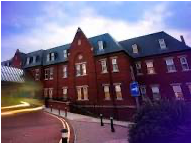
Wrightington, Wigan and Leigh Teaching Hospitals NHS Foundation Trust (WWL) is a major acute and community Foundation Trust within the Greater Manchester footprint. The Trust was formed on 1 April 2001 by the merger of Wrightington Hospital NHS Trust and Wigan and Leigh Health Services NHS Trust, became a Foundation Trust in December 2008, took on community services on 1 April 2019, and added "Teaching Hospitals" to its name on 1 April 2020 to reflect its commitment to education and training. WWL employs around 6,000 staff and over 500 volunteers, with an annual budget of over £375 million. The Trust serves a local population of 329,300, plus a much wider regional, national and international catchment for specialist orthopaedic services. CQC-rated "Good" since November 2019, with services rated "Good" or "Outstanding" at every subsequent inspection.
Hospitals. WWL operates from five main acute sites:
Royal Albert Edward Infirmary (Wigan) — main district general hospital site, hosting A&E and the majority of inpatient services. The site has hosted a hospital since 1873. Wrightington Hospital — specialist centre of orthopaedic excellence, located just over the border in West Lancashire. Globally significant as the site where Professor Sir John Charnley developed the modern hip replacement in November 1962; a commemorative heritage plaque was unveiled in his honour in late 2024. Leigh Infirmary — outpatient, diagnostic and treatment centre, with the Jean Hayes Reablement Unit (intermediate care) and a Community Diagnostics Centre. A new theatre opened in 2024 makes Leigh the Trust's main centre for breast surgery (around 2,117 additional procedures per year, of which around 300 are breast cancer surgeries). Thomas Linacre Centre (Wigan) — dedicated outpatient centre running 96 consultant-led clinics per week and treating over 100,000 patients per year. Boston House / WWL Eye Unit (central Wigan) — specialist Ophthalmology unit.Research, education and innovation. WWL is in formal partnership with Edge Hill University, with the explicit aim of achieving full university teaching hospital status against University Hospital Association criteria. The Trust holds the NHS Pastoral Care Quality Award for international nurse and midwife recruitment, and has invested in modern facilities including a new Fertility Unit, Cancer Care Suite, and ophthalmology unit. WWL is also delivering a major smart-buildings and net-zero programme: 8,000 sensors already installed across its three main hospital sites delivering 88–94% energy reductions for lighting, with a further £2.8m LED / smart-ceilings programme at Royal Albert Edward Infirmary (extending in future to temperature monitoring, space utilisation and equipment tracking), and a £9m+ partnership with Great British Energy for solar and battery installation.
Relevance for healthtech, medtech and life sciences. WWL is a particularly strong NHS partner for companies working in: orthopaedic and musculoskeletal devices and implants (Wrightington's global heritage and continuing world-acclaimed reputation); surgical technology and robotic/precision orthopaedics; complex joint replacement and revision surgery innovation; breast cancer surgery and breast surgery technology (new Leigh theatre); ophthalmic medtech; community diagnostics platforms (Leigh CDC); fertility technology; smart-hospital, IoT and asset-tracking solutions (8,000-sensor smart-ceilings rollout); and net-zero / sustainable-healthcare technology (Great British Energy partnership). Its Edge Hill University partnership and "Teaching Hospitals" status also make it a credible academic-NHS partner for early-stage clinical evaluation.
This information is provided by Out-There HealthTech as a community resource. While we endeavour to keep it accurate and up to date, NHS organisational structures can change. We recommend checking individual trust websites for the most current information. Last reviewed: March 2026.
Back to Members page